5 Safe Driving Tips Effective Ways to Avoid Road Accidents


 April 8, 2026 3:19 pm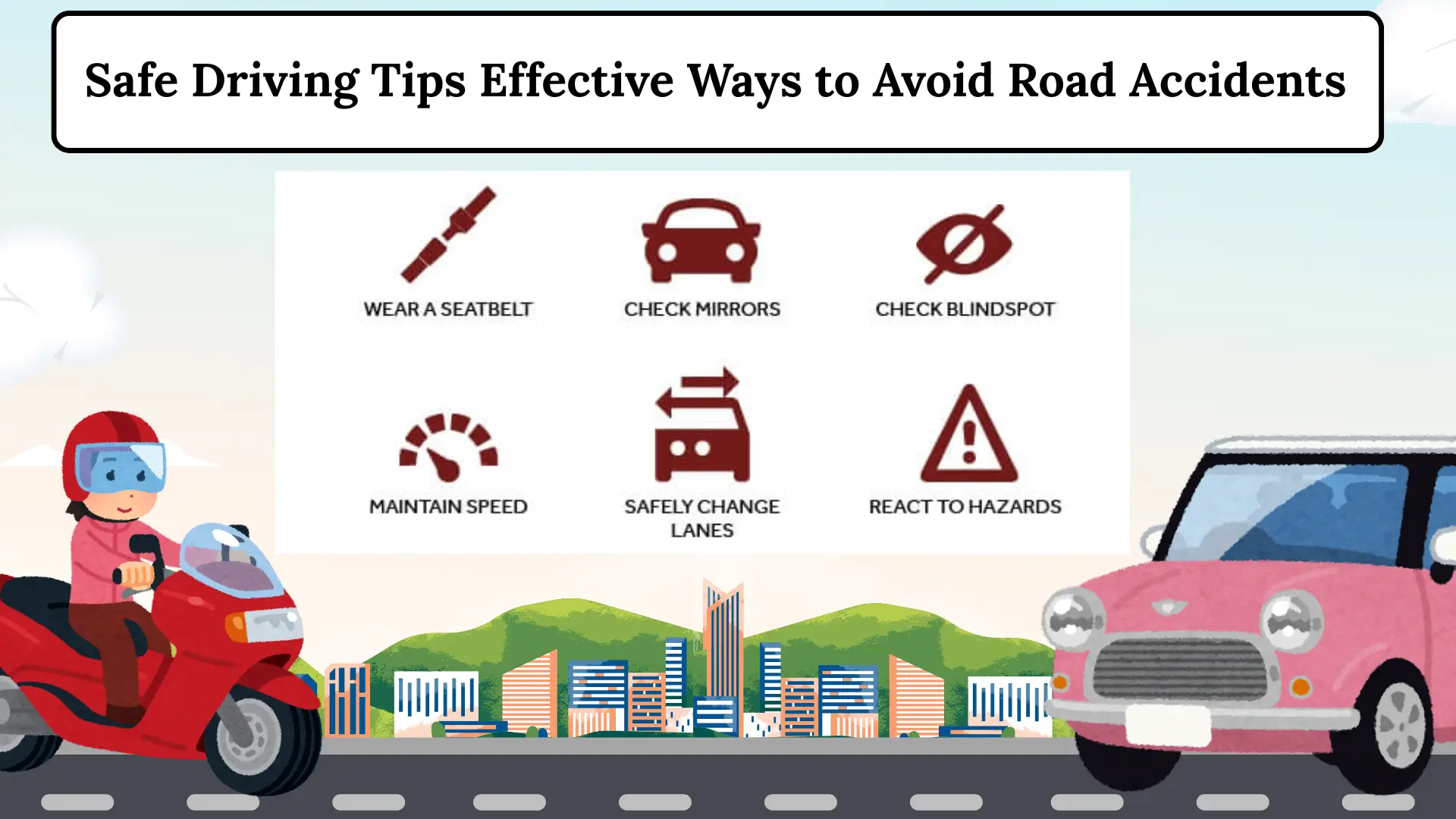
5 Safe Driving Tips Effective Ways. Driving is more than a skill it is a responsibility. Every time we get behind the wheel, our actions impact not only our safety but also that of others on the road. Road accidents claim millions of lives each year, making safe driving practices essential. According to the World Health Organization (WHO), around 1.19 million people die in road accidents worldwide annually. Bangladesh, with its busy roads and heavy traffic, is no exception to this alarming trend.
Being a skilled driver doesn’t just mean knowing how to operate a vehicle. It means being alert, anticipating road situations, and making smart choices to prevent accidents. In this article, we discuss five essential tips for safe driving that can drastically reduce your risk on the road.
1. Avoid Distractions
Distractions are the biggest threat to drivers today. Among them, smartphone use is the most dangerous. Studies show that texting or talking on the phone while driving can impair your reaction time even more than driving under the influence of alcohol.
Example: Driving at 60 km/h while glancing at your phone for just five seconds is equivalent to covering the length of a football field blindly. In that brief moment, an accident can happen.
Practical Tips:
- Switch your phone to “Do Not Disturb” mode before starting the engine.
- For urgent calls, park safely before answering.
- Avoid eating, applying makeup, or performing any other tasks that divert your attention while driving.
Being focused behind the wheel is the simplest yet most effective way to prevent accidents.
2. Maintain a Safe Distance: The 3-Second Rule
Keeping a safe distance from the vehicle in front of you is a core principle of defensive driving. It ensures you have enough time to react if the car ahead suddenly stops or slows down.
What is the 3-Second Rule?
Pick a fixed object on the road, like a signpost or tree. When the vehicle in front of you passes it, start counting:
“One thousand one, one thousand two, one thousand three.”
If you reach the object before finishing the count, you are too close to the vehicle ahead.
Safety Tip: In adverse conditions like rain or fog, increase this distance to 5–6 seconds, as wet roads reduce tire friction and require longer stopping distances.
Learning and practicing this rule can make a huge difference, especially on busy highways in Bangladesh, where traffic congestion and sudden stops are common.

3. Follow Traffic Laws and Speed Limits
Traffic laws and speed limits exist to protect lives. Exceeding speed limits or ignoring road signs is one of the leading causes of accidents.
Tips for Safe Compliance:
- Always use indicators when changing lanes.
- Slow down at curves, intersections, and pedestrian crossings.
- Treat yellow traffic lights as a warning to prepare to stop, not as a signal to accelerate.
Even on highways where traffic is fast, prioritizing safety over speed is critical. Following traffic rules reduces the likelihood of accidents and creates a smoother driving experience for everyone.

4. Regular Vehicle Maintenance
Even the most skilled driver cannot avoid accidents caused by mechanical failures. Regular maintenance of your vehicle is essential to prevent breakdowns that can lead to collisions.
Key Areas to Check:
- Tires: Ensure correct inflation. Overinflated or underinflated tires may burst unexpectedly.
- Brakes: Unusual noises, a soft brake pedal, or delayed response require immediate inspection.
- Lights: Check headlights, tail lights, and indicators regularly to ensure visibility, especially at night or in poor weather conditions.
By keeping your vehicle in top condition, you reduce the chances of an accident caused by mechanical issues.

5. Be Cautious in Adverse Weather and Night Driving
Driving in rain, fog, or at night requires extra caution. Limited visibility, slippery roads, and poor lighting increase the risk of accidents.
Example: During heavy rainfall, water accumulation can cause hydroplaning, where your tires lose contact with the road. Sudden braking in such conditions can lead to loss of control. Instead, reduce speed gradually and maintain extra distance.
Practical Tips for Safety:
- Use high beams carefully to avoid blinding oncoming traffic.
- Stop and rest if you feel tired during long drives.
- Drive slowly in fog, rain, or unevenly lit roads to stay safe.
By adjusting your driving according to road and weather conditions, you significantly lower the chances of collisions.
Conclusion
Safe driving is more than a skill—it is a responsibility towards yourself and others. Small habits, such as staying focused, maintaining a safe distance, following traffic rules, keeping your vehicle in good condition, and driving cautiously in bad weather, can make a massive difference.
By following these five safe driving tips, you not only protect yourself but also contribute to safer roads for everyone. Remember, being a responsible driver is a lifelong commitment, and awareness is the key to preventing accidents