BRTA Takes Tough Stance to Restore Road Discipline in Bangladesh


 December 21, 2025 11:33 am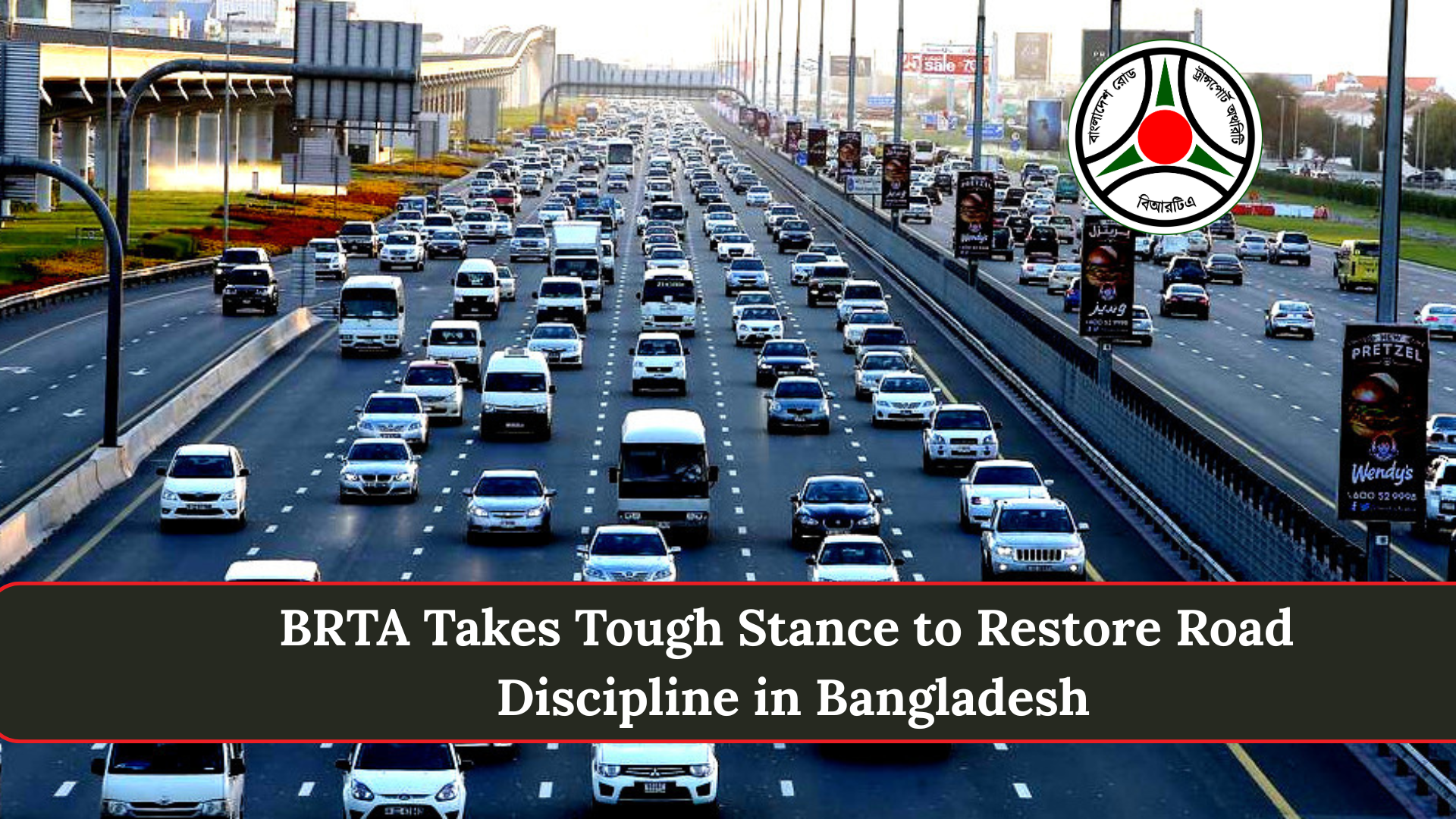
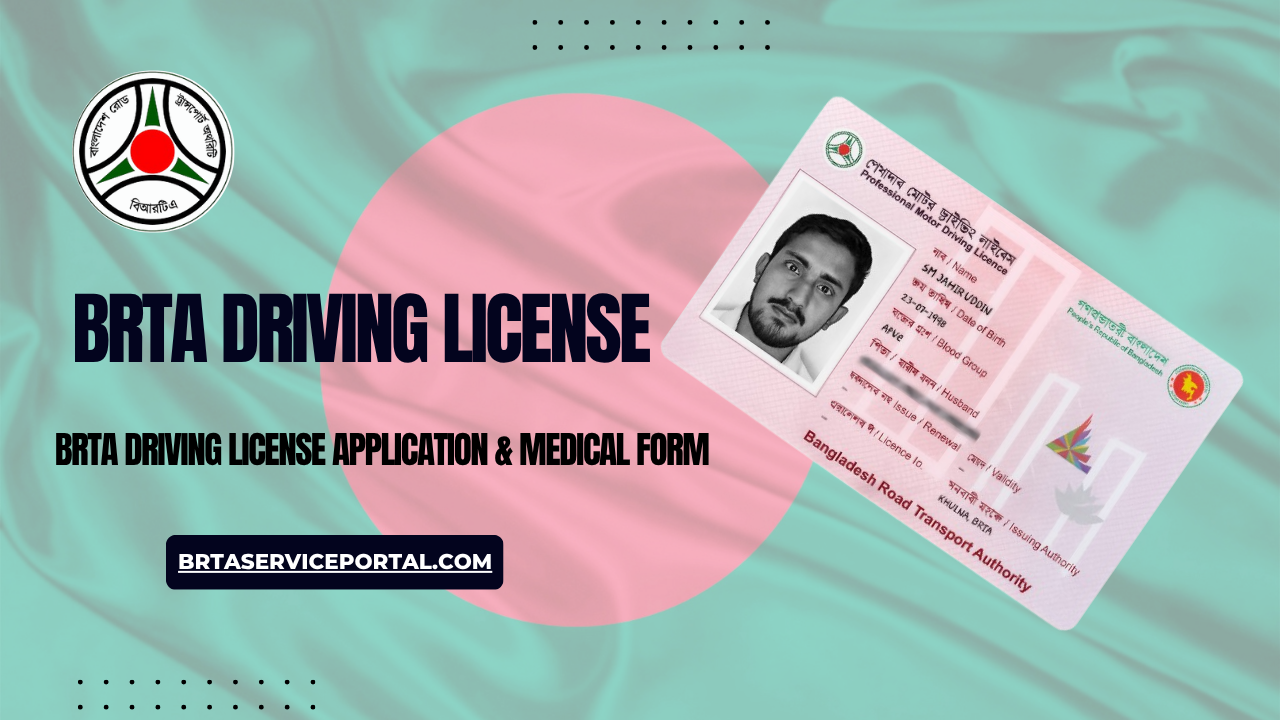
BRTA Takes Tough Stance to Restore Road Discipline in Bangladesh. Bangladesh Road Transport Authority (BRTA) has announced strict new measures to bring discipline back to the country’ roads. The most important step is 60 hours of mandatory training for anyone applying for a new driving license.
BRTA Chairman Abu Momtaz Saad Uddin Ahmed made this announcement while speaking at a national road safety roundtable in Dhaka. He made it clear that road laws alone are not enough. Proper implementation and shared responsibility are now essential.
60 Hours Mandatory Training for New Driving Licenses
From now on, no new driving license will be issued without completing 60 hours of formal training.
According to the BRTA Chairman, licensing should not be a formality. Drivers must show real skills, discipline, and responsible behavior before getting on the road.
This training will cover:
- Practical driving skills
- Road safety rules
- Driver behavior and ethics
- Accident prevention awareness
BRTA is also creating a master trainer pool. These trainers will visit driving institutes across the country to ensure the new curriculum is properly followed.
The goal is simple.
Better training means safer roads.
Law Without Implementation Brings No Discipline
The BRTA Chairman admitted a hard truth.
Even with updated laws, road discipline will not return if rules are not enforced.
For example:
- The law allows drivers to drive only 8 hours a day
- In reality, many drivers drive up to 14 hours
This long driving time increases fatigue. Fatigue increases accidents.
He stressed that owners, workers, police, local authorities, and citizens must all accept change. Road safety cannot be fixed by police alone.
Quick Response System to Reduce Road Accident Deaths
One of the most critical announcements was the launch of a quick response system for road accidents.
The BRTA Chairman described the first 30 to 60 minutes after an accident as “history-changing time.”
If victims receive fast rescue and medical care:
- Death risk drops
- Permanent disability reduces
- Recovery chances increase
Without quick response, injuries become more severe.
Chairman Shares Personal Tragedy to Highlight Reality
During the event, the BRTA Chairman shared a deeply personal experience.
On September 23, his own daughter’s husband was seriously injured in a road accident. He needed two surgeries and still cannot walk.
He said survivors often suffer more than those who die.
This experience made him realize how deadly delays can be after accidents.
That is why BRTA now wants immediate rescue, fast reporting, and rapid medical response nationwide.
Financial Assistance for Road Accident Victims
The government already provides financial support to accident victims through the Board of Trustees.

The support includes:
- Tk 5 lakh for death
- Tk 3 lakh for permanent disability
- Tk 1 lakh for serious injury
However, many families fail to receive this money on time.
Why?
- Accidents are not reported immediately
- Required forms are submitted late
- Some agencies delay cases for up to six months
The BRTA Chairman called this delay unacceptable.
He urged families to inform the nearest BRTA office immediately after an accident to avoid delays.
Road Safety Needs a Coordinated National Effort
The BRTA Chairman admitted that police capacity is limited.
Real change requires coordination between:
- Transport owners
- Drivers and workers
- Police
- Local administration
- Road safety organizations
- General public
Everyone must play their role.
Without unity, road discipline cannot be restored.
Young Population at Risk on Unsafe Roads
Bangladesh’s 5–29 age group makes up 32% of the population.
This group is the future workforce and economic backbone of the country.
The BRTA Chairman warned that:
- Daily road accidents threaten young lives
- Economic progress becomes impossible
- Families face lifelong trauma and poverty
He strongly stated that road safety must be treated as a national economic priority, not just a transport issue.
Focus Shifts From License Numbers to Driver Quality
BRTA’s new approach focuses on quality, not quantity.

The Chairman clearly said:
“Not just a license. Drivers must show minimum skills and real behavioral change before driving.”
This marks a major shift in Bangladesh’s road safety strategy.
Better drivers mean:
- Fewer accidents
- Safer highways
- Lower healthcare burden
- Stronger economy
Conclusion
BRTA strict reforms mark a turning point for road safety in Bangladesh. Mandatory driver training, faster accident response, and shared responsibility aim to reduce deaths and injuries. If enforced properly, these steps can restore discipline, protect young lives, and support long-term economic growth through safer and more responsible roads.